
Machine
Confirm machine model, spindle speed, feed method, clamping, cooling and available bore or pin hole pattern.
Use this guide as a structured knowledge base for GF, HSS, TCT and cermet circular saw blades. Start from the product family, then check measurement, tooth form, coating, machine fit, cutting problems and export quotation details.
A product name alone is rarely enough. For a reliable recommendation, confirm the machine, material, workpiece and current cutting problem before choosing a blade specification.
Confirm machine model, spindle speed, feed method, clamping, cooling and available bore or pin hole pattern.
Confirm stainless steel, carbon steel, aluminum, copper, wood, plywood, plastic or composite material.
Confirm tube OD, wall thickness, profile shape, solid bar diameter, plate thickness or panel material.
Describe burrs, rough surface, broken teeth, short blade life, heating, vibration, noise or machine fit issue.
The articles below are grouped by the question a buyer or factory usually has. This makes the guide easier to use and gives search engines and AI systems a clearer map of our technical expertise.
Compare GF, HSS, TCT and cermet blades by machine type, workpiece material and expected cutting result.
Main Product Categories
Orbital Tube Cutting Saw Blade Selection
How To Choose GF Saw Blades
GF Saw Blades
HSS Circular Saw Blades
Cermet Saw Blades
TCT Saw Blades
For HSS and GF blades, focus on material grade, coating, outer diameter, thickness, bore, tooth count, HUB and pin hole details.
HSS Steel Grade Comparison
HSS Coating Guide
HSS Tooth Count Selection Logic
HSS Tooth Count Reference Table
HSS Saw Blade Locating Holes
Small HSS Blade HUB And Clearance
Large HSS Use And After-Sales
Use these articles when customers mix up cermet cold saw blades, cermet flying saw blades and TCT carbide tipped saw blades, especially for metal-cutting inquiries.
TCT Saw Blade For Metal Cutting
TCT Saw Blade Vs Cermet Cold Saw Blade
Cermet Cold Saw Vs Flying Saw Blade
Cermet Cold Saw Blade Guide
Cermet Locating Holes
Saw Blade Tooth Form Guide
These pages explain how to write size, bore, pin holes, kerf, plate thickness, tooth count, machine model and cutting problem clearly.
How To Send A Saw Blade Inquiry
How To Measure A Saw Blade
Can You Quote From Old Blade Photos?
Why Tooth Form Alone Is Not Enough
Tooth Count And Tooth Pitch
Technical Inquiry Form
Start from the actual cutting problem or material application before changing blade material, tooth pitch or coating.
Saw Blade Cutting Problems
Saw Blade Burr Problem Guide
Orbital Tube Cutting Saw Blade Selection
Aluminum Profile Cutting
Wood Panel Cutting
Use these references for export trade terms, factory inspection logic and practical quality control language for industrial buyers.
Incoterms For Saw Blade Buyers
Saw Blades For Russian Buyers
GF Chamfer Inspection Fixture
GF/GFX Bevel Cutter Set Guide
Tooth Geometry Consistency
Send Drawing Or Sample Photos
When a buyer reports a cutting problem, these are the first items to check.
For expert recommendation, send blade photos, current specification, machine model, material, tube or profile dimensions, cutting video if available, target finish and quantity.
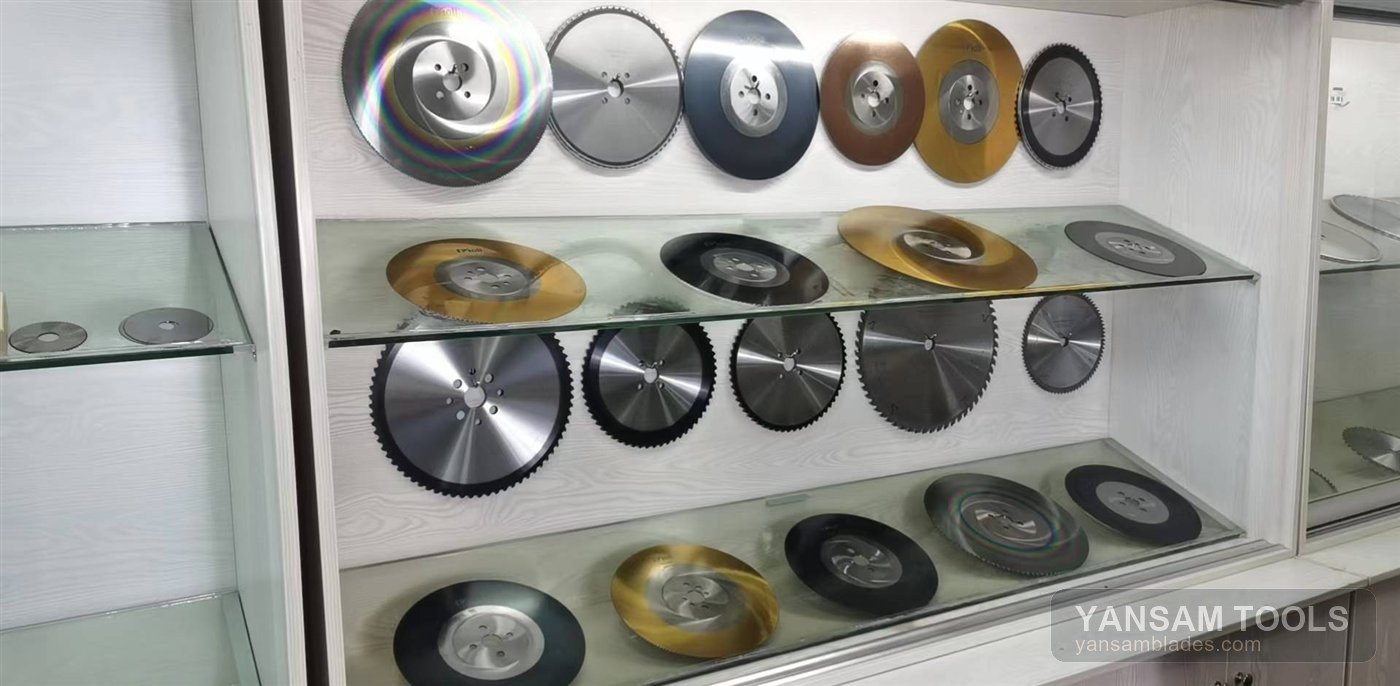
Confirm machine brand, model, spindle speed, flange structure, bore and locating holes before discussing blade material.
Material grade, hardness, wall thickness, section shape and cutting bundle condition decide tooth pitch and coating choice.
Burr control, surface finish, blade life, cutting noise and heat marks should be stated as measurable targets.
Send the machine model, current blade size, material and cutting problem. Drawings, nameplate photos or sample photos help us confirm the specification faster.
Send the machine model, current blade size, workpiece material, cutting target and problem photos. This avoids guessing from diameter alone.
If bore, flange, locating holes or clamping are wrong, even a good blade material can fail quickly.
Burr, broken teeth, short life, heat marks, noise, rough surface, vibration and machine fit problems are all useful diagnostic signals.