
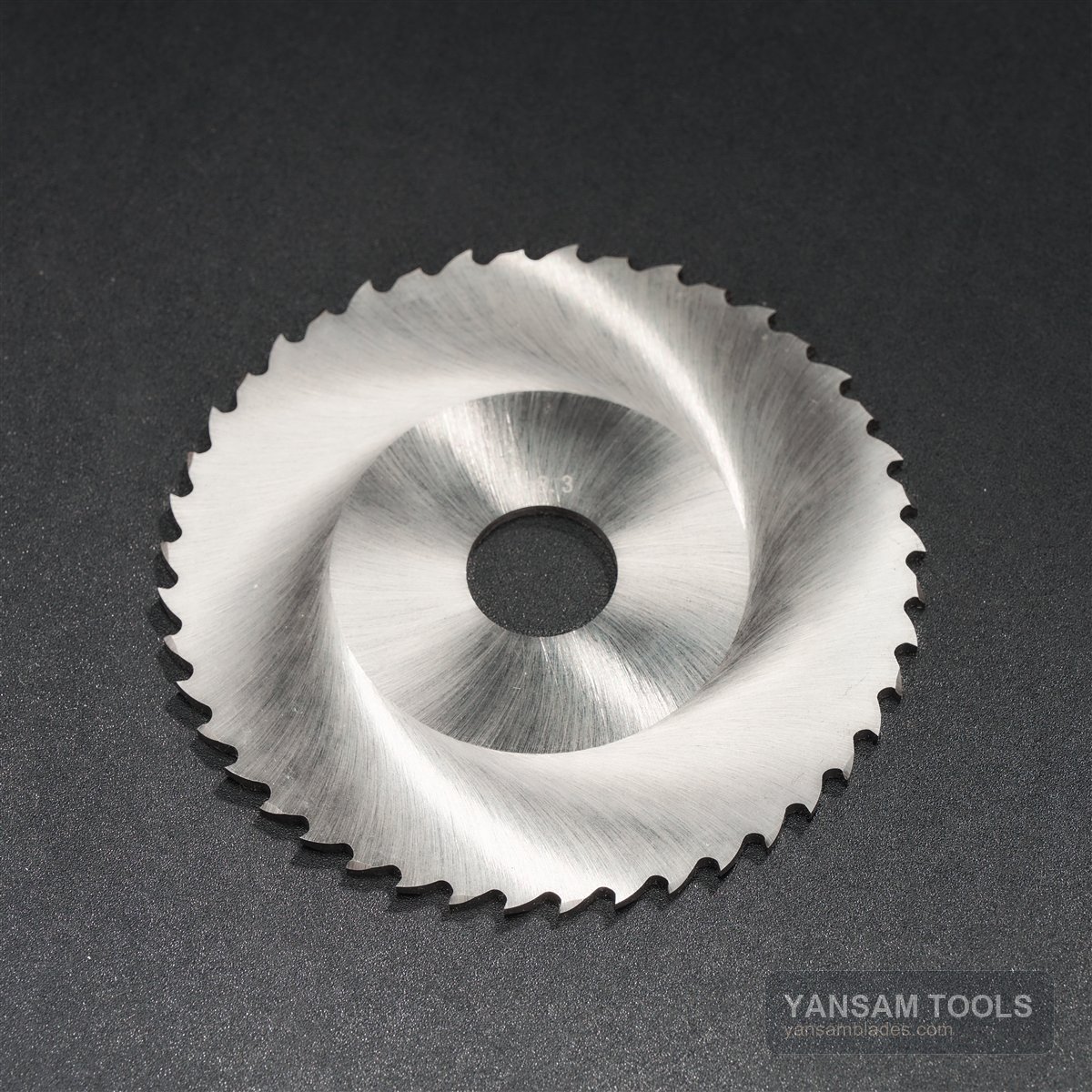
GF Saw Blades
Main product line for portable orbital tube cutting, clean pipe end preparation and stainless steel tube cutting.
- High-purity pipeline applications
- Custom diameter, bore and tooth count
Explore saw blade product lines by cutting application. We help buyers select the right blade according to machine, material and cutting problem.
Select a product family below, or send your blade drawing and cutting material for a direct recommendation.
Main product line for portable orbital tube cutting, clean pipe end preparation and stainless steel tube cutting.
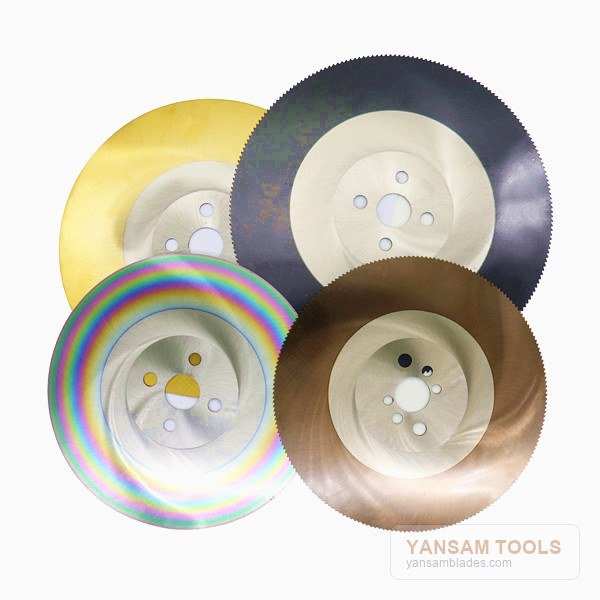
M2, M35 and coated HSS cold saw blades for steel, stainless steel and non-ferrous metals.
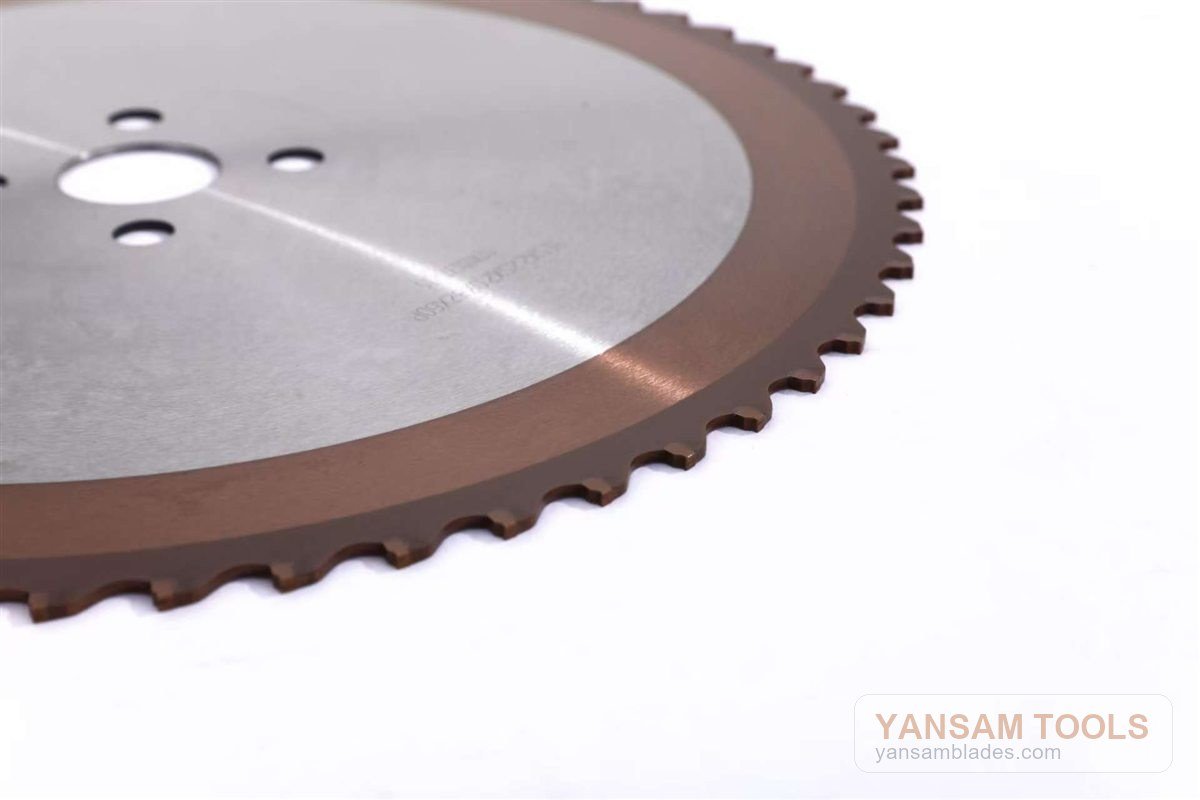
Clean, fast and stable cutting for steel tubes, bars and profiles.
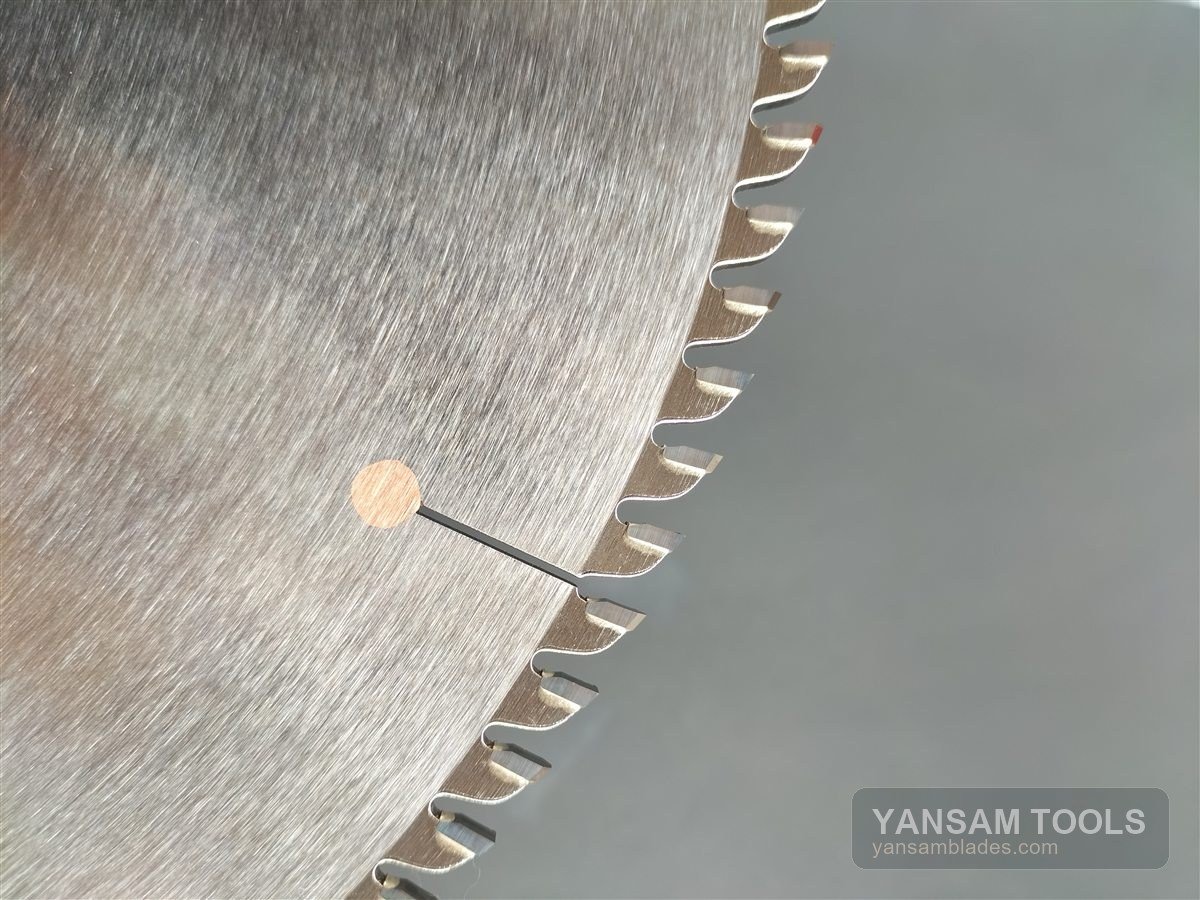
Carbide tipped circular saw blades for metal cutting, aluminum profiles, color steel tile and selected panel applications.
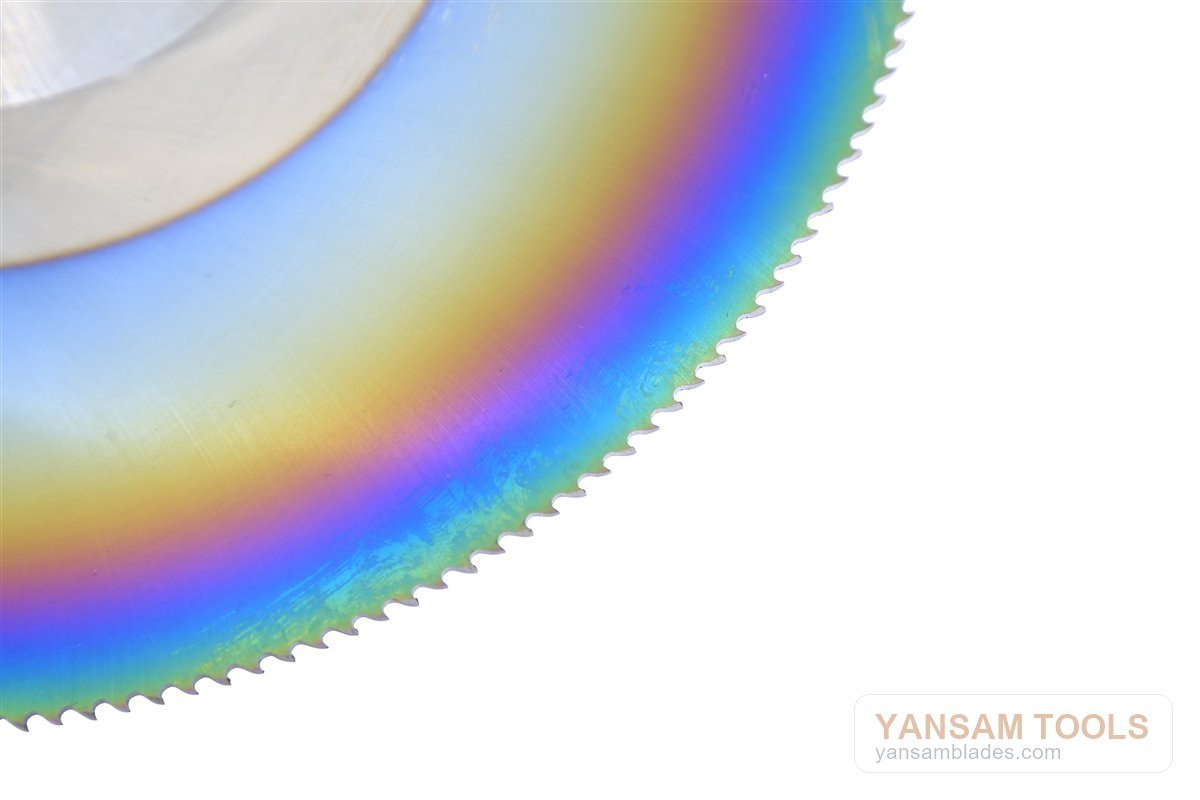
HSS and solid carbide DIN saws for slotting, jewelry, bearings and precision cutting.
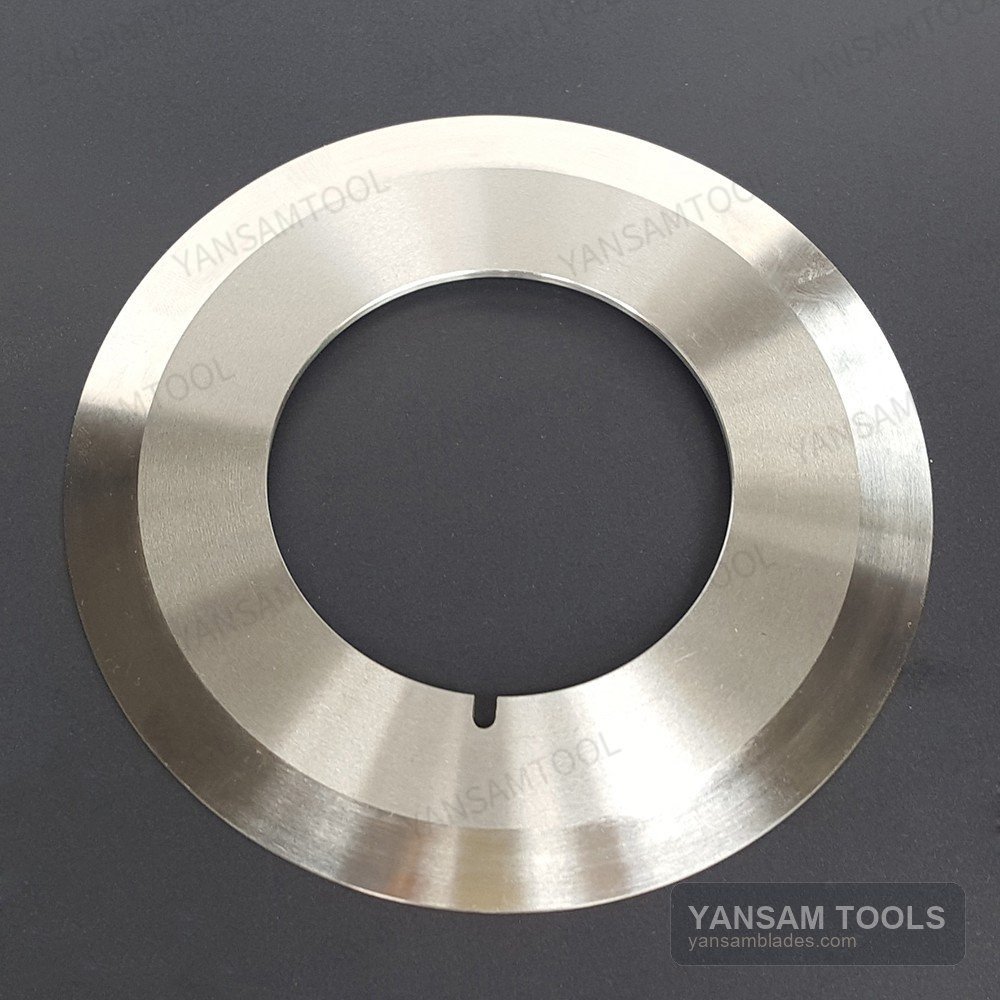
Custom circular knives for plastic, rubber, paper, packaging and food processing.
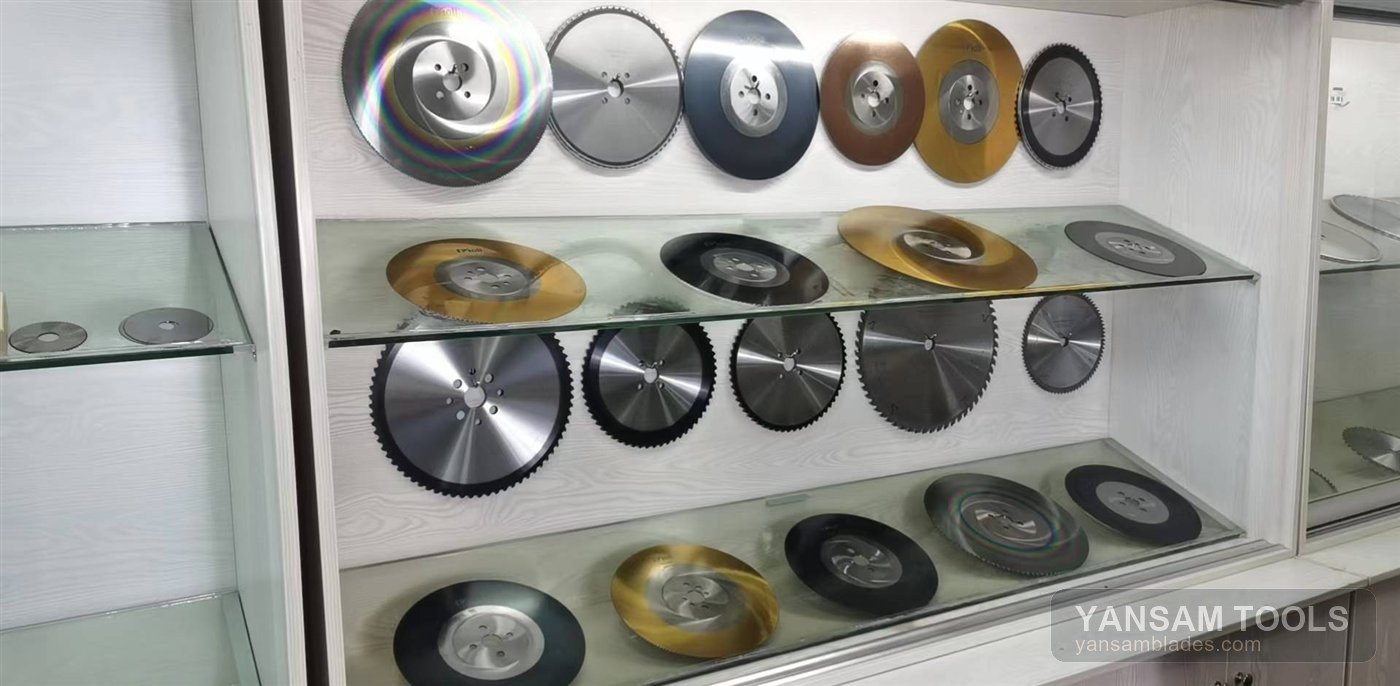
Send drawings, samples or machine details. We can customize OD, bore, thickness, teeth and coating.
These pages help buyers start from their material, machine or cutting problem, then move toward the right product family.
Use this guide when the buyer asks for an orbital tube cutting saw blade for stainless tube, clean pipe ends and welding preparation.
Select TCT saw blades for low-burr aluminum profiles, extrusion cutting and stable edge quality.
Choose TCT blades for MDF, plywood, bamboo, coated board and sliding table saw applications.
Diagnose burrs by blade type, tooth count, clamping, feed, coolant and material support.
Many buyers do not only need a product name. They need a blade that solves a specific production problem.
A quick comparison for buyers who are choosing between blade types.
| Product | Common Use | Main Custom Details |
|---|---|---|
| GF saw blade | Portable orbital tube cutting, clean pipe ends and welding preparation | Diameter, bore, thickness, teeth and machine fit |
| HSS circular saw blade | Cold cutting of steel, stainless steel and non-ferrous metals | Material, coating, OD, bore, teeth |
| Cermet saw blade | High-speed steel tube and bar cutting | Diameter, kerf, tooth count, application condition |
| TCT saw blade | Wood, plywood, MDF, bamboo, aluminum profile and color steel tile | Carbide grade, tooth form, kerf, bore and pin holes |
| Circular knife | Plastic, rubber, paper, food and packaging | Edge angle, bevel type, material and thickness |
For industrial buyers, the correct blade family depends on machine type, workpiece material, cutting surface requirement and repeat order control. The comparison below helps narrow the first recommendation before drawings or samples are reviewed.
| Blade family | Best fit | Key parameters to confirm |
|---|---|---|
| GF / SL tube cutting blades | Orbital tube cutting, clean tube ends, stainless steel and high-purity pipe preparation. | Pipe OD, wall thickness, machine model, bore and tooth count. |
| HSS circular saw blades | General metal cutting, steel, stainless steel, copper, aluminum and non-ferrous profiles. | Outer diameter, thickness, bore, coating, tooth form and cutting speed. |
| Cermet cold saw blades | Steel tube and bar cutting lines where stable surface quality and long life are important. | Machine flange, locating holes, material grade, line speed and coolant condition. |
| TCT saw blades | Wood panels, aluminum profiles, non-ferrous metal and application-specific carbide tooth design. | Material, tooth geometry, carbide grade, kerf, feed speed and finish requirement. |
Not sure which family fits? Send the machine nameplate and current blade size first.
Send the machine model, current blade size, material and cutting problem. Drawings, nameplate photos or sample photos help us confirm the specification faster.
Start with the machine type, workpiece material, required cut quality and current cutting problem. If these details are unclear, send the machine nameplate and current blade specification first.
Yes. A blade drawing, sample photo, machine model and material information are usually enough for the first technical recommendation.
Confirmed blade data such as outer diameter, thickness, bore, tooth count, coating and locating holes should be kept together for stable repeat supply.