
Life And Efficiency
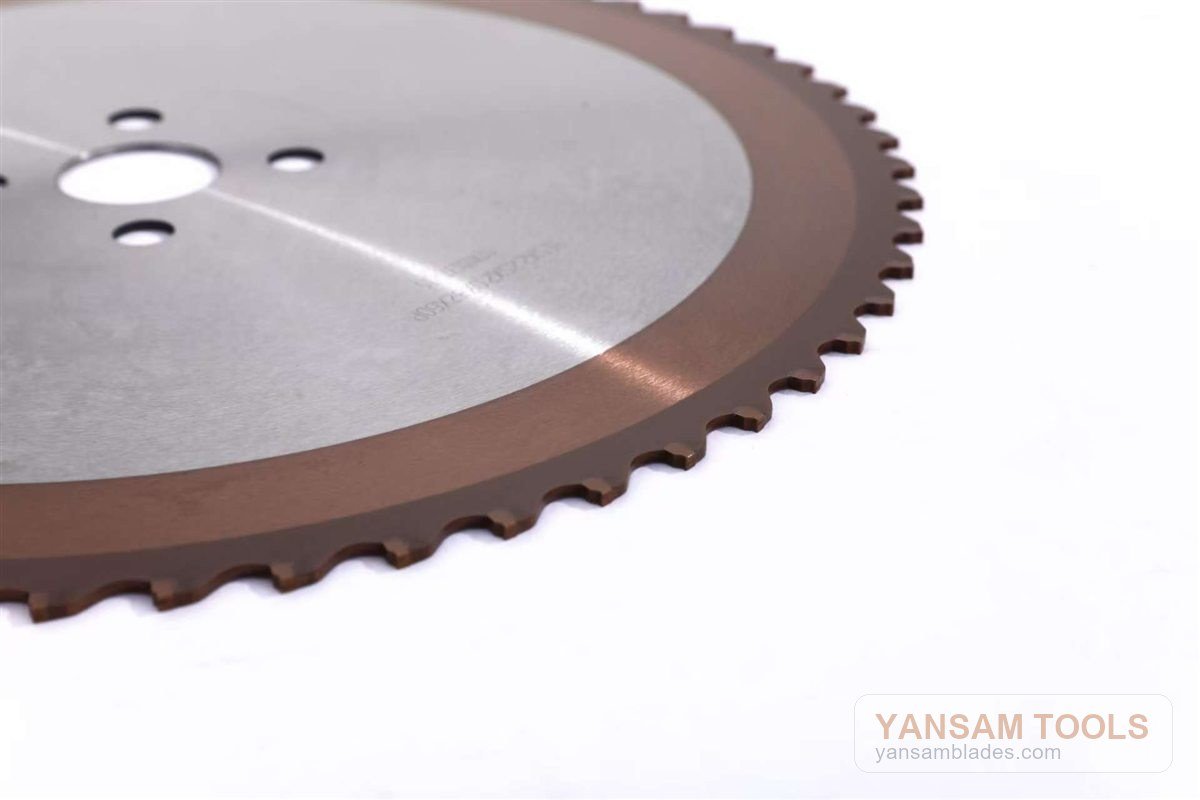
PVD nano coating can reduce friction, lower tooth tip temperature and improve cutting life and efficiency when the base blade and cutting parameters are correct.
Technical selection support for steel tube, bar and profile cutting lines. Choose V, S, F or PVD coated cermet blades by material, machine condition, feed, chip control and required cut surface.
CERMET COLD SAW BASICS
A cermet cold saw blade is a metal cutting circular saw blade with cermet tooth tips. It is mainly used on circular sawing machines for steel tube, steel bar and profile cutting where clean end face, stable blade life, reduced burr and repeatable cutting quality are required.
Cermet tipped cold saw blades for steel cutting. They are different from HSS solid blades and from TCT blades used for wood, aluminum or non-ferrous applications.
Cermet blades are normally quoted by outer diameter, kerf/plate thickness, bore, tooth count and locating holes, for example 315 × 2.25/2.0 × 32 × 120T with pin hole details.
Used for high-speed cutting of steel tube, steel bar, pipe and profiles. Machine rigidity, wire brush condition, coolant or oil mist, speed and feed must be checked together.
Cermet cold saw blades are used where production lines need fast cutting, clean surface finish, reduced burr and repeatable blade life. The right blade is not selected by diameter alone. Material grade, bar or tube diameter, machine rigidity, wire brush condition, oil mist, air blowing and cutting parameters all affect the final result.
Use this as a practical starting point. Final selection should be confirmed with real machine condition and test cutting data.
| Series | Best Starting Use | Technical Character | Typical Buyer Situation |
|---|---|---|---|
| F Series | Mixed cutting, unstable material or older equipment | Moderate hardness with better toughness and adaptability | Lower-cost positioning, poor maintenance environment, no air blowing or weak chip control |
| V Series | High-speed and heavier cutting with stronger life requirement | Higher hardness and wear resistance; suitable for larger feed at lower speed | Batch processing factories with stable material and stronger machine power |
| S Series | Light cutting, sticky materials and cleaner finish | Narrower cutting character, good surface finish, lower equipment requirement | Copper, aluminum, low-carbon steel or customers needing good flatness and finish |
| PVD Coated Series | Higher efficiency, smoother surface and longer life target | Reduced friction and tooth tip temperature; can improve life on suitable materials | Customers comparing V+, S+ or F+ for better life and cleaner cutting |
Coating should be considered together with lubrication, chip removal and machine setup. It is an application choice, not a stand-alone performance guarantee.
PVD nano coating can reduce friction, lower tooth tip temperature and improve cutting life and efficiency when the base blade and cutting parameters are correct.
Coated cermet blades are used when the buyer wants smoother cut surface, better precision and reduced burr in suitable materials.
Oil mist, air blowing, chip cleaning, wire brush condition and correct entry/exit settings are essential. Coating cannot compensate for poor machine condition.
There is no single public speed or feed setting that is reliable for every cermet cold saw. Final parameters should be established from the machine manufacturer’s limits, the workpiece condition and trial validation.
| Item To Confirm | Why It Matters | Useful Buyer Information |
|---|---|---|
| Workpiece | Material grade, shape, section and hardness affect tooth loading and series selection. | Material certificate when available; OD, wall thickness or solid-bar diameter. |
| Machine and blade fit | Machine speed range, motor power, flange and locating-hole pattern limit what can be installed safely. | Machine model, current blade specification and photos of the flange/pins. |
| Workholding and support | Movement, vibration and unsupported off-cuts can damage teeth and reduce cut quality. | Clamp arrangement, bundle condition and a short cutting video when troubleshooting. |
| Lubrication and chip control | Oil mist, air blow, brush condition and chip evacuation influence heat and recutting. | Coolant type, delivery method and photos of chips or abnormal tooth wear. |
| Production target | Finish, burr limit, cycle time and expected resharpening interval change the selection balance. | Cut-face photo, current life result and the buyer’s priority between speed, finish and cost. |
Most abnormal damage is connected to blade selection, chip control, clamping, material condition or machine maintenance.
Locating holes must match the machine flange and pin pattern. The format below follows common industry notation: quantity – hole diameter – pitch circle diameter.
| Blade Specification | Common Locating Hole | Observed Alternatives |
|---|---|---|
| 250*32*2.0/1.7(1.75) | 4-11-63 | 4-9-50 |
| 285*32*2.0/1.7(1.75) | 4-11-63 | 4-9-50 |
| 285*40*2.0/1.75 | 4-11-80 | |
| 315*32*2.25/2.0 | 4-11-63 | 4-9-50 |
| 315*40*2.25/2.0 | 4-11-90; 4-15-80 | |
| 360*40*2.6/2.25 | 4-11-90; 4-16-80 | |
| 400*50*2.6/2.25 | 4-12.8-90; 2-16-80 | |
| 425*50*2.7/2.25 | 4-11-90; 4-16-80 | 2-14-90; 2-21-90 |
| 460*50*2.7/2.25 | 4-14-90; 4-21-90 | 4-11-90; 2-14-90; 2-21-90; 4-16-80 |
| 520*50*3.0/2.5 | 4-14-90; 2-11-90; 2-16-80 | 4-17-90; 4-16-80 |
| 560*50 | 4-21-120 | 4-20-90 |
| 630*80*3.4/2.7 | 4-22-120; 4-23-160 | 4-23-120; Apollo equipment reference |
Good cermet blade selection needs real use data. If you are testing a new blade, compare at least the current blade, the test blade and the machine condition before judging life.
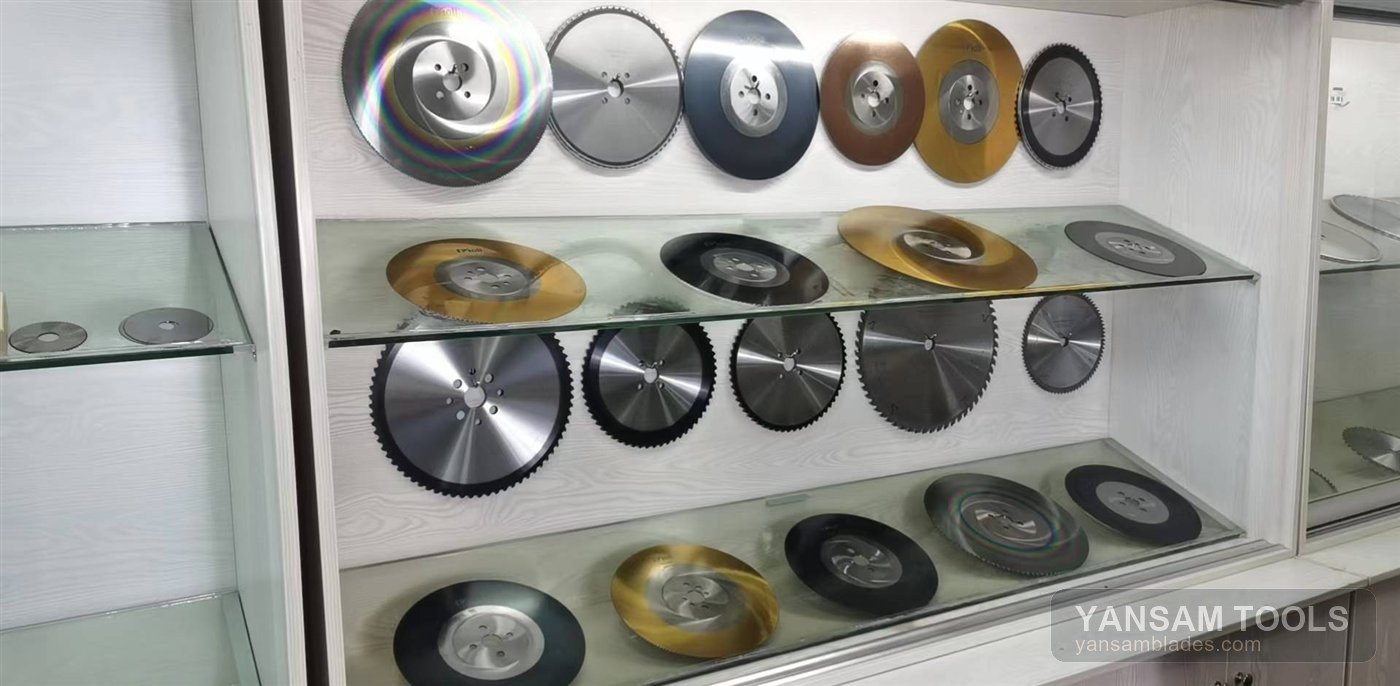
Useful details before requesting a quotation or running a test blade.
Series choice depends on machine stability, cutting material, tube or bar size, target surface quality and cutting speed. F is more adaptable, V is for faster and heavier cutting, and S is often used for light cutting and cleaner finish.
Please send machine brand and model, blade diameter, bore, locating holes, PCD, pin size, spindle speed, feed condition, material size, coolant or oil mist condition and current cutting problem.
Bore size, locating holes and PCD must match the cold saw machine. A small mismatch can cause vibration, poor runout, installation failure, broken teeth or unstable cutting.
Cermet blades are often selected when the buyer needs higher cutting speed, cleaner surface, reduced burr and stable life on suitable steel tube, bar or profile cutting machines.
Common causes include poor wire brush condition, chip build-up, wrong tooth count, unstable clamping, incorrect feed, material defects, dull blade, insufficient cooling or secondary chip cutting.
Record material, size, cutting speed, feed, oil or mist, brush condition, number of cuts, cut surface, burr condition, noise, final blade damage and photos. Comparable data makes the test meaningful.
Cermet blade selection depends heavily on cold saw machine fit, locating holes, cutting parameters and chip control.
Best first message: machine model + bore/locating holes + material size + current cutting issue.
Use these pages to identify the blade type, machine fit and cutting problem before sending an inquiry. This is especially useful when a buyer only has a blade photo or a machine name.
Understand why tube mill flying cut-off blades should not be quoted like normal cermet cold saw blades, even when the coating and body shape look similar.
Learn series selection, coating notes, machine checks and test workflow.
Check bore, pin holes, PCD and machine-fit details before production.
Cermet cold saw blades are sensitive to machine fit. Bore size, locating holes, PCD and flange contact must match before production, especially for steel tube and bar cutting lines.
| Machine fit | Bore, pin hole diameter, number of holes and PCD should be checked against the machine drawing. |
|---|---|
| Cutting stability | Feed speed, clamping, coolant and material scale affect chipping and surface finish. |
| Trial feedback | After trial cutting, report burr, noise, tooth wear and cut surface photos for adjustment. |
Send the machine model, current blade size, material and cutting problem. Drawings, nameplate photos or sample photos help us confirm the specification faster.
Bore, pin hole diameter, number of holes and PCD must match the machine flange. Small fit errors can cause vibration, chipping or poor surface finish.
They are commonly used for steel tube and bar cutting lines where cutting speed, surface finish and stable blade life matter.
Send the machine model, blade drawing, material grade, workpiece size, coolant condition and photos of the current cutting result.