
Clean Tube Ends
Suitable tooth geometry helps reduce burrs and supports straighter pipe ends for welding, assembly and installation work.
Precision GF and SL series saw blades for stainless steel tube, steel pipe and portable orbital cutting machines. Built for clean pipe ends, stable cutting and replacement blade supply by drawing or sample.
GF BLADE BASICS
A GF saw blade is a small solid HSS circular saw blade used on portable orbital tube cutting machines. It is selected by tube material, tube diameter, wall thickness, blade outer diameter, bore and tooth count for clean, square pipe ends before welding.
GF, SL and LS style blades are non-tipped high speed steel tube cutting blades. They are used for stainless steel tube, carbon steel pipe, clean pipeline preparation and maintenance cutting.
GF blades are normally quoted as outer diameter × thickness × bore × tooth count. Because they are solid HSS blades without welded tips, they usually do not need a separate kerf/plate thickness format.
Thin-wall tube usually needs finer teeth, while thicker-wall tube needs fewer teeth and more chip space. Machine model, tube OD, wall thickness and material should be checked before quotation.
| Model | Tube Wall | Blade OD | Teeth | Use Note |
|---|---|---|---|---|
| SL63100 | 0.7-1.5mm | 63mm | 100T | Common thin-wall tube blade |
| SL6872 | 1.0-3.0mm | 68mm | 72T | Common general tube blade |
| SL6844 | 2.0-7.0mm | 68mm | 44T | Common thicker-wall tube blade |
| SL8034 | 5.0-12.0mm | 80mm | 34T | For heavier wall cutting |
| SL8080 | 1.0-3.0mm | 80mm | 80T | Can be used for square tube cutting |
Common SL/LS reference blades use a 16mm bore. Final selection should still confirm the machine model and actual tube material.
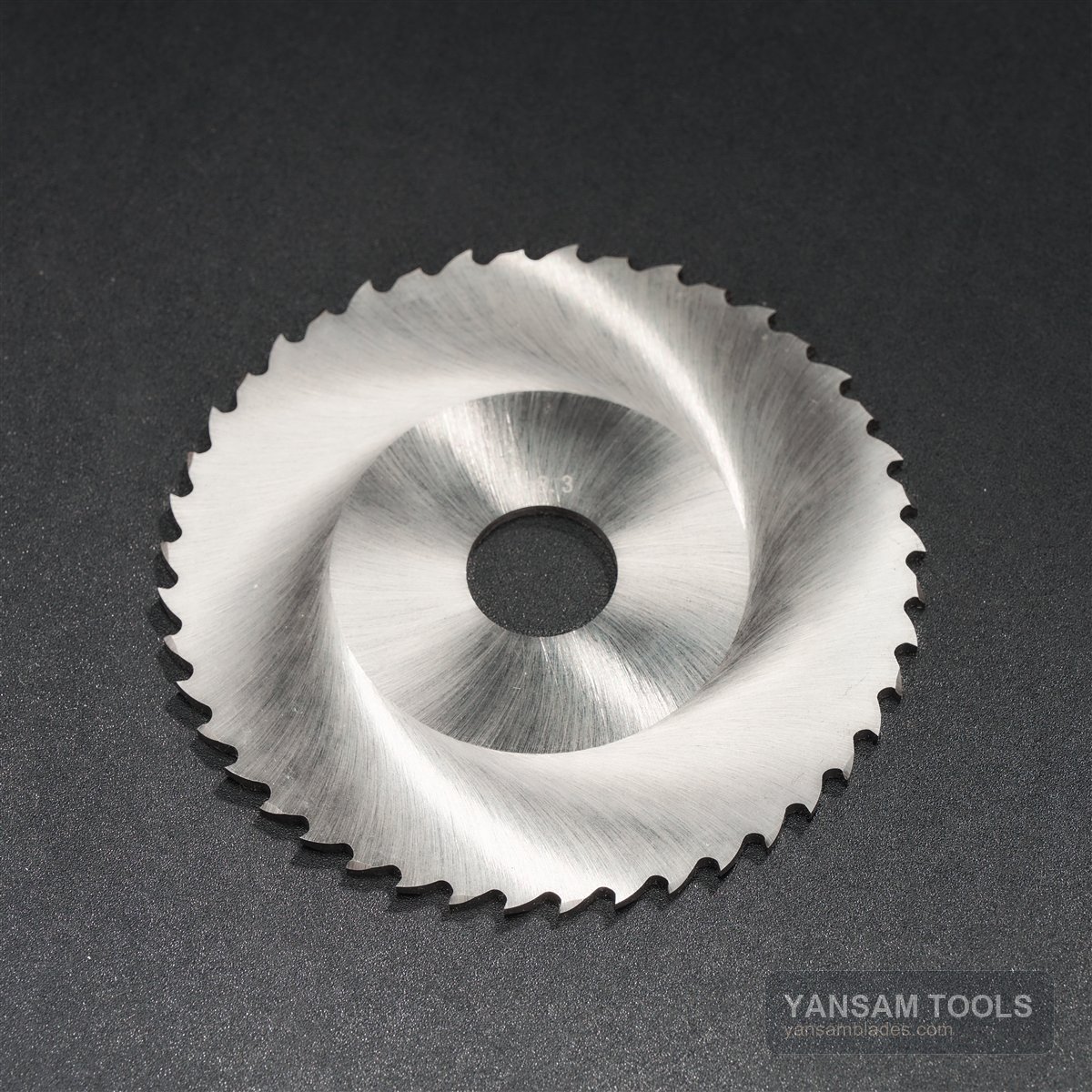
GF and SL series saw blades are designed for portable pipe cutting and orbital tube cutting applications where blade fit, cutting stability and clean pipe ends are important. They are commonly used before welding, installation and maintenance work in high-purity pipeline systems.
GF blades are often used when pipe cutting needs to be portable, accurate and repeatable before welding or assembly.
Suitable tooth geometry helps reduce burrs and supports straighter pipe ends for welding, assembly and installation work.
Useful for stainless steel and clean pipeline work in semiconductor, solar, pharmaceutical, biotech and industrial systems.
We support repeat replacement blade supply for distributors, repair teams, pipeline contractors and industrial end users.
Based on common portable tube cutting systems, GF style saw blades are selected for small and medium diameter pipe cutting where clean, repeatable cuts matter.
Tube cutting for clean pipeline installation and maintenance before welding or fitting.
Replacement blades for stainless steel tube and thin-wall metal pipe cutting jobs.
Custom blades for GF style orbital cutting machines and CM/FM compatible tube cutters.
Batch supply with stable dimensions, packing options and private label support available.
Common GF blade models are selected by tube wall thickness, blade outer diameter and tooth count. The inner bore for these listed blades is 16mm.
| Model | Tube Wall Thickness | Blade OD | Teeth | Suitable Tube Type | Note |
|---|---|---|---|---|---|
| SL63100 | 0.7-1.5mm | 63mm | 100T | General tube sizes | Most common |
| SL6364 | 1.0-3.0mm | 63mm | 64T | Larger tube diameter | |
| SL6872 | 1.0-3.0mm | 68mm | 72T | General tube sizes | Most common |
| SL6844 | 2.0-7.0mm | 68mm | 44T | General tube sizes | Most common |
| SL8034 | 5.0-12.0mm | 80mm | 34T | General tube sizes | |
| SL8044 | 5.0-10.0mm | 80mm | 44T | Smaller tube diameter | |
| SL8054 | 2.0-7.0mm | 80mm | 54T | General tube sizes | |
| SL8080 | 1.0-3.0mm | 80mm | 80T | Square tube cutting |
For accurate quotation, please provide your current blade size or send clear photos of the blade label and machine model. If you use several tube sizes, include the pipe material, outside diameter and wall thickness range.
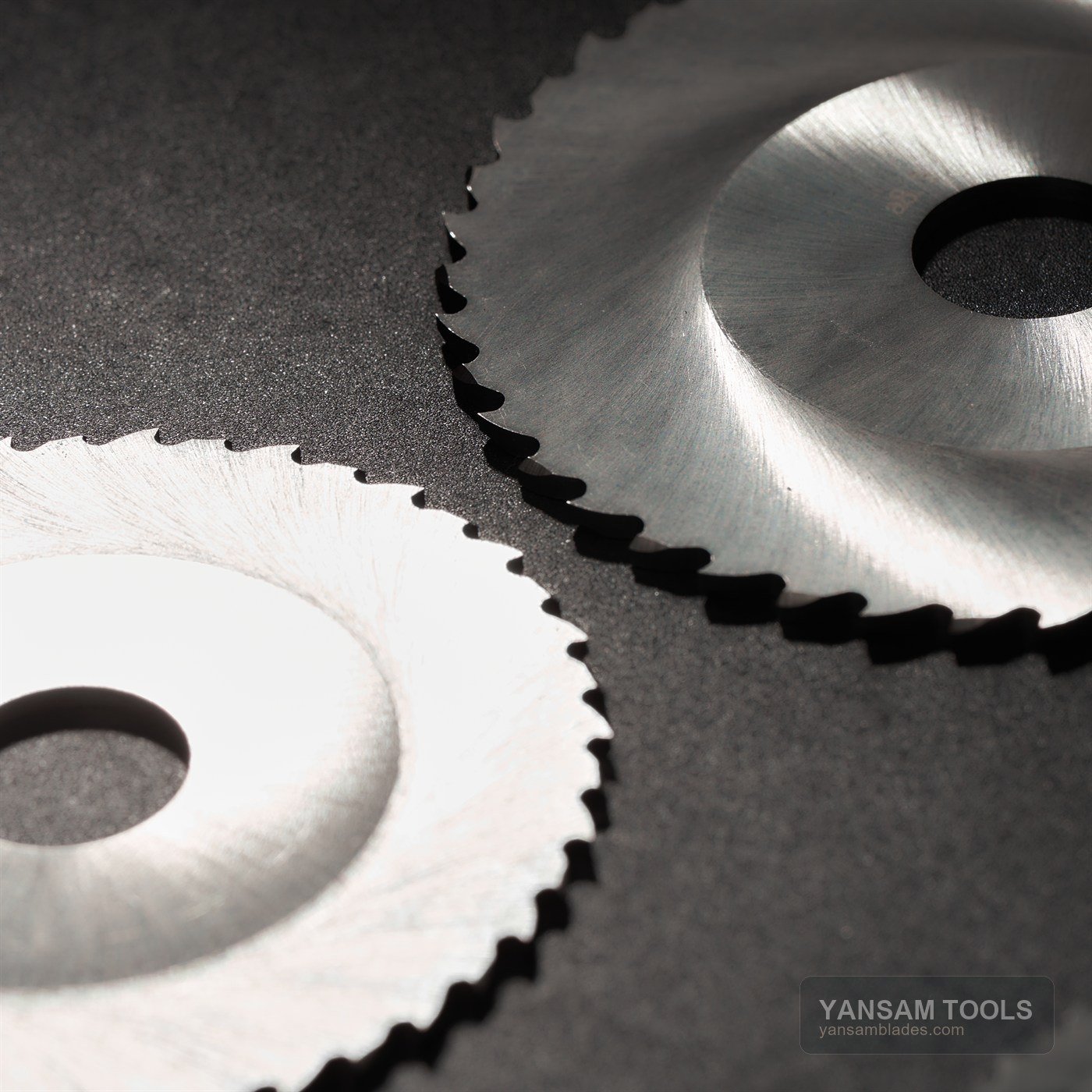
Buyers often search by application first. Use these pages together when the job is stainless tube, orbital cutting and clean pipe-end preparation.
Compare when the job should start from GF blades and when a larger HSS or cermet machine is actually being discussed.
Review wall thickness, tooth count and machine-fit logic before quoting only by blade diameter.
Use the technical inquiry page when the buyer can provide machine model, current blade photo and tube details.
Correct GF blade selection starts with machine fit, then tube wall thickness and cutting quality requirement. Tooth count is not only a size code; it affects chip space, cutting resistance and burr control.
| Selection Factor | What To Confirm | Why It Matters | Common Risk If Wrong |
|---|---|---|---|
| Machine model | GF / SL / CM / FM compatible cutter, clamp style and arbor fit | Confirms blade OD, bore and usable cutting range | Blade cannot mount or does not cut through the tube |
| Tube wall thickness | Thin wall, medium wall or thick wall tube range | Guides tooth count and chip space | Too many teeth overload; too few teeth cause rough cutting |
| Tube material | Stainless steel, carbon steel, copper, aluminum or special alloy | Affects tooth geometry and cutting speed recommendation | Heat, short blade life or poor end-face quality |
| Cutting target | Welding preparation, maintenance cut, batch production or field installation | Defines whether the priority is clean end, speed or long life | Good price but wrong performance for the job |
| Current problem | Burr, broken teeth, vibration, dark cut surface or short life | Helps adjust tooth count, blade thickness and cutting advice | Repeating the same failure with a new blade |
When buyers send us the cutting symptom, we can recommend a more practical replacement blade instead of quoting only by diameter and teeth.
For repeat buyers, stable replacement supply matters as much as the first sample. We focus on dimensions, tooth consistency and packaging records so distributors and maintenance teams can reorder with less back-and-forth.
Common questions before ordering replacement GF blades.
Yes. A sample blade, machine model or clear blade photos can help confirm diameter, bore, thickness, tooth count, tooth form and machine fit before quotation.
Please send blade outer diameter, bore, tooth count, tube material, tube outside diameter, wall thickness, machine model, current cutting problem and target quantity. Photos or drawings make confirmation faster.
Yes. These are common reference diameters for GF and SL series tube cutting blades. Final choice still depends on machine fit, bore size, tooth count and tube wall thickness.
Yes. Bore, outer diameter, kerf, plate thickness, tooth count and tooth geometry can be customized when the buyer provides a drawing, sample blade or confirmed machine data.
Thin-wall tube usually needs a finer tooth count for cleaner ends. Thicker wall tube often needs fewer teeth to provide chip space and reduce cutting resistance.
Trial orders can be discussed for confirming machine fit and cutting result before repeat supply. For stable repeat orders, we keep the confirmed blade and application data.
For GF and SL tube cutting blades, machine fit and tube wall thickness should be confirmed before price discussion.
Best first message: machine model + tube material + tube OD/wall thickness + current blade photo.
Use these pages to compare blade families, check selection logic and send a better technical inquiry.
Choose by machine, material, wall thickness and cutting problem.
Compare HSS options for metal cold cutting and coated blades.
Share tube material, wall thickness, machine model and current cutting problem.
GF and SL tube cutting blades are often selected for stainless steel tube preparation, orbital cutting and high-purity pipeline work. The priority is a clean end face, low burr and stable fit with the portable cutting machine.
63 mm, 68 mm and 80 mm blades are common. Bore is usually 16 mm, but machine fit must be confirmed.
Thin wall tubes need finer tooth counts. Thick wall or larger pipe ranges may need lower tooth counts for chip space.
Keep the model, pipe range and machine reference together so the same blade can be supplied again without guesswork.
Send the machine model, current blade size, material and cutting problem. Drawings, nameplate photos or sample photos help us confirm the specification faster.
Please provide pipe outer diameter, wall thickness, machine model, blade outer diameter, bore, tooth count and the tube end quality requirement.
Yes. These are common tube cutting blade diameters, but bore size and machine fit still need to be confirmed before production.
GF and SL tube cutting blades are often used for stainless steel tube preparation where clean tube ends and low burr are important.